What Are 11 Valuable Strategies for Recruiting International Students?
By Morgan Northmore, Digital Marketing Coordinator at Noetic Marketer. Morgan specializes in crafting digital content and social media strategies that help higher education institutions connect with prospective undergraduate students and drive enrollment.
Key Takeaways:
International student recruitment is vital for enhancing campus diversity and providing significant economic benefits, but new federal policies in Canada require a more competitive, focused strategy.
A successful strategy must be multi-channel, including attending international recruitment fairs, leveraging targeted social media, and partnering with reputable recruitment agencies.
Authentic content, such as alumni testimonials and virtual campus tours, is crucial for building trust with prospective students who cannot visit in person.
Offering tangible support, such as scholarships, specialized English-language programs, and comprehensive pre-departure services (such as visa guidance), significantly improves conversion rates.
Enhancing the university’s website for mobile-friendliness, user-friendly navigation, and clear information is a foundational step for all international recruitment efforts.
As a higher education institution, attracting talented students from around the globe is vital to fostering a diverse and enriching academic community. A diverse student population creates opportunities for staff and students to build strong international connections, which can lead to collaborative research, exchange programs, and partnerships with foreign institutions.
This guide explores 11 valuable strategies and actionable steps you can take to increase your global reach and appeal to students from diverse cultural backgrounds.
Why Is Recruiting International Students Important for Universities?
Recruiting international students is important for universities because it creates a diverse and vibrant learning environment. Welcoming students from different cultural backgrounds enriches the academic experience for everyone on campus, creating an atmosphere of mutual understanding, global perspectives, and creative problem-solving.
This economic impact remains significant; a report by the Association of Atlantic Universities (AAU) estimates that Atlantic Canada lost $165 million in provincial GDP during 2024‑25 due to a 11.4% decline in international student enrollments. By prioritizing the recruitment of international students, your college or university not only benefits from the cultural and intellectual exchange but also helps to stimulate economic growth.
Furthermore, a solid international presence can open doors to additional funding opportunities, such as grants for international research projects or exchange programs. By actively recruiting internationally, higher education institutions can strengthen their global standing and foster an academic community that thrives on diversity and innovation.
Strategy 1: Develop an International Recruitment Plan
How can universities develop an international recruitment plan?
Universities can develop an international recruitment plan by first identifying clear goals and then establishing a solid, data-driven foundation for all strategic efforts.
A comprehensive plan should be broken down into key components:
Clear objectives: Identify what you aim to achieve, such as increasing diversity, enhancing academic quality, or boosting enrollment numbers from specific regions.
A budget: Establish a budget that reflects your institution's commitment to international recruitment.
Target markets: Identify countries with strong potential for student recruitment.
How should universities budget for international recruitment?
Universities should create a budget that reflects a realistic investment in their international goals. This budget must account for a wide range of expenses, not just advertising. Key line items to include are:
Marketing expenses: Digital advertising spend, creation of targeted materials (brochures, videos), and website localization.
Travel and events: Costs for attending in-person education fairs, including travel, accommodations, and booth fees.
Agent commissions: Fees for partnered recruitment agencies.
Financial aid: A dedicated pool of funds for international scholarships, which is a significant draw.
Support staff: Resources for staff to manage international inquiries and applications.
How do you identify target markets for recruitment?
You can identify target markets by analyzing data to find countries with strong potential. This analysis should consider factors such as:
Academic & language compatibility: Are the country's high school curricula compatible with your admission requirements? Is English or French proficiency common?
Historical ties: Do you have existing alumni networks or partnership agreements in the region?
Economic factors: Is there a growing middle class with the ability to afford international tuition?
Cultural fit: Does your institution offer a community or programs that align with the region's cultural values or career aspirations?
Governmental policies: Are there favourable student visa policies (like Canada's PGWP) that make your country an attractive destination?
Strategy 2: Attend Recruitment Fairs
Why should institutions attend recruitment fairs?
Institutions should attend recruitment fairs in target countries because they provide an invaluable opportunity to engage directly with prospective students, parents, and guidance counsellors in a single location. These events allow you to showcase your institution's unique value and answer specific questions about admissions and programs.
Examples of major international student recruitment fairs include:
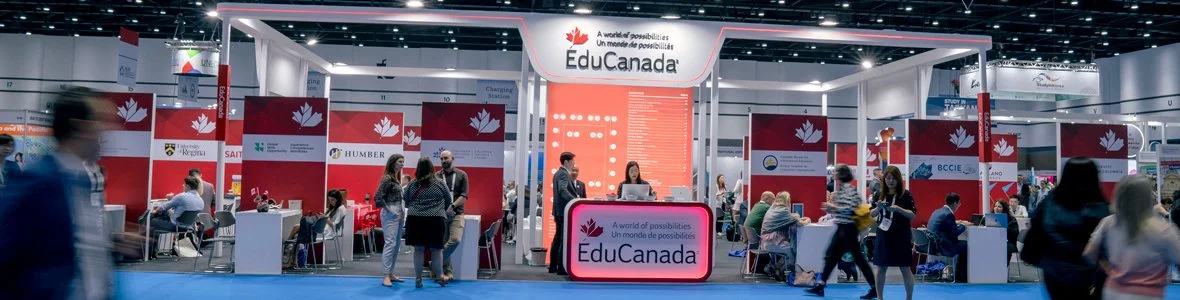
1. EduCanada Fairs
Organized by the Canadian government, EduCanada Fairs are held in different countries and regions, including Asia, the Middle East, Europe, and Latin America. These fairs promote Canadian institutions and programs to prospective international students.
2. Study and Go Abroad
Study and Go Abroad is a prominent international education event that connects students with universities, colleges, and other educational institutions worldwide. It allows attendees to explore study abroad options, gather information on various educational pathways, and learn about scholarships and travel opportunities.
3. QS World Grad School Tour
This global series of recruitment fairs is aimed at postgraduate students. QS World Grad School Tour events are held in multiple cities across Asia, Europe, North America, and other regions.
What is the best way to engage students at recruitment fairs?
The best way to engage students at recruitment fairs is to move beyond handing out brochures and focus on building personal connections.
Personalize your approach: Take the time to listen to each student's individual needs and aspirations. Tailor your responses and advice to their specific interests and goals.
Build rapport: Show genuine interest in the student. By building rapport, you'll make a lasting impression and increase the likelihood that they'll consider your institution.
Follow up consistently: Your work isn't done when the fair ends. Send personalized follow-up emails to remind students about your college and the opportunities it offers. This follow-up nurtures their interest and guides them through the application process.
Strategy 3: Use Social Media
How can social media be used for international recruitment?
You can use social media for international recruitment by creating a well-crafted content strategy that connects with the target audience on their preferred platforms, such as Facebook, Instagram, TikTok, LinkedIn, or even regional platforms like WeChat. This is crucial for achieving higher education lead-generation goals and building brand awareness.
For example, a Noetic Marketer campaign for an Alberta-based university's graduate programs targeted mid-career healthcare professionals. The strategy used LinkedIn for precise professional targeting, while Meta (Facebook and Instagram) proved highly efficient for generating cost-effective leads. This multi-platform social media strategy resulted in a cost-per-lead that was 63% lower than the industry benchmark for graduate programs.
What types of social media content resonate with international students?
The types of social media content that resonate most with international students are those that are authentic, informative, and provide a sense of community.
Student stories: Feature current international students sharing their experiences, academic achievements, and campus life highlights. These serve as powerful and authentic testimonials.
Program spotlights: Showcase specific programs through videos, images, and infographics. Highlight unique features, faculty expertise, and alumni success stories to appeal to students with specific academic interests.
Campus tours: Conduct virtual tours of your facilities, student accommodations, and state-of-the-art laboratories. This provides an immersive experience that allows potential students to envision themselves as part of the campus community.
Events and webinars: Promote virtual information sessions, webinars, and live Q&A sessions where prospective students can interact directly with professors, admissions staff, and current international students.
Strategy 4: Develop Partnerships with Recruitment Agencies
Should universities partner with recruitment agencies?
Yes, universities should partner with reputable recruitment agencies because it can significantly expand their access to a diverse, pre-screened talent pool. These agencies act as an in-market extension of your team, leveraging their local expertise to source, screen, and connect you with qualified candidates, which can save your institution valuable time and resources.
Examples of recruitment platforms and agencies include:
1. Studyportals
An online platform that provides comprehensive information and resources for students seeking study abroad opportunities. It offers a wide range of educational programs and institutions worldwide, allowing students to explore various options.
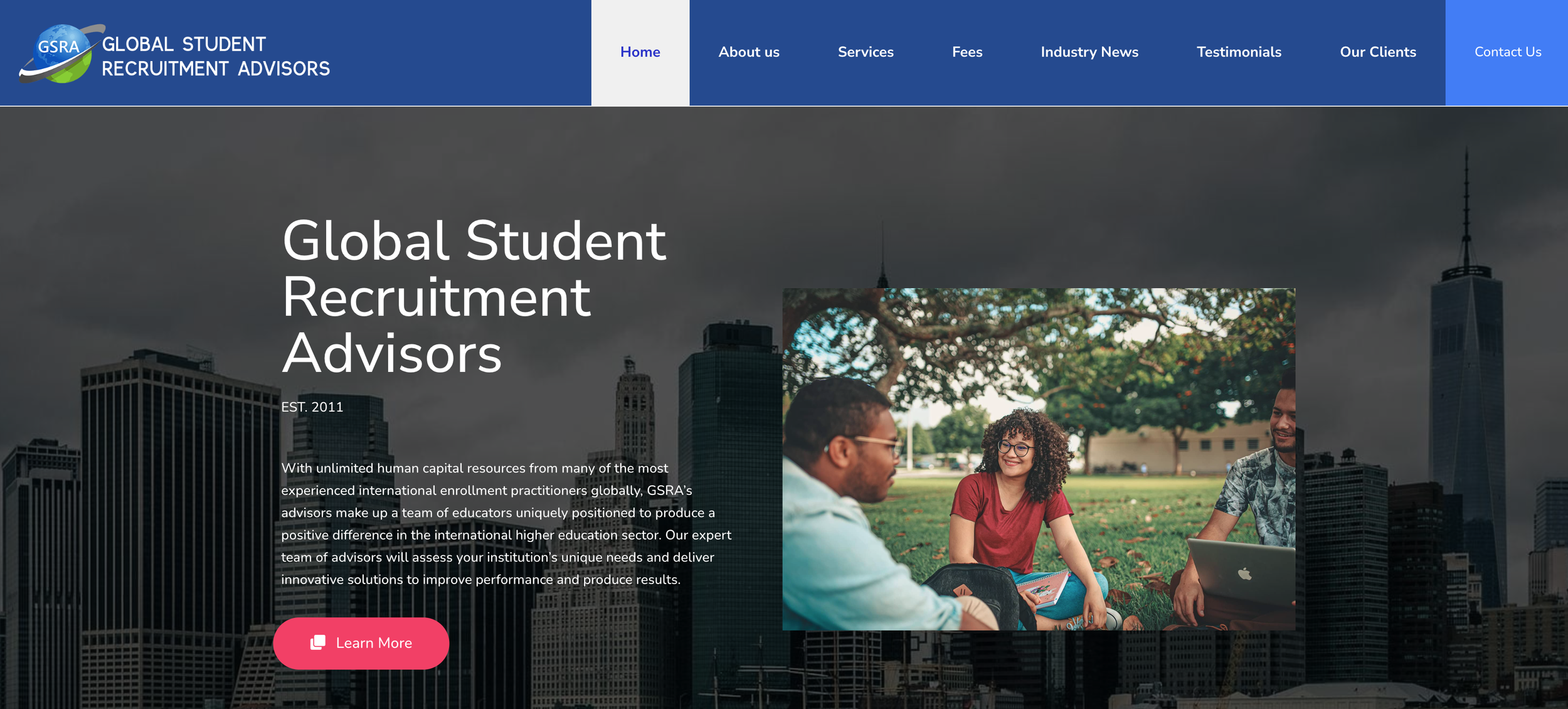
2. Global Student Recruitment Advisors
A consultancy focused on internationalization strategies for higher education institutions. Their team of experienced enrollment practitioners delivers data-driven recruitment strategies, global outreach, and performance improvement services.
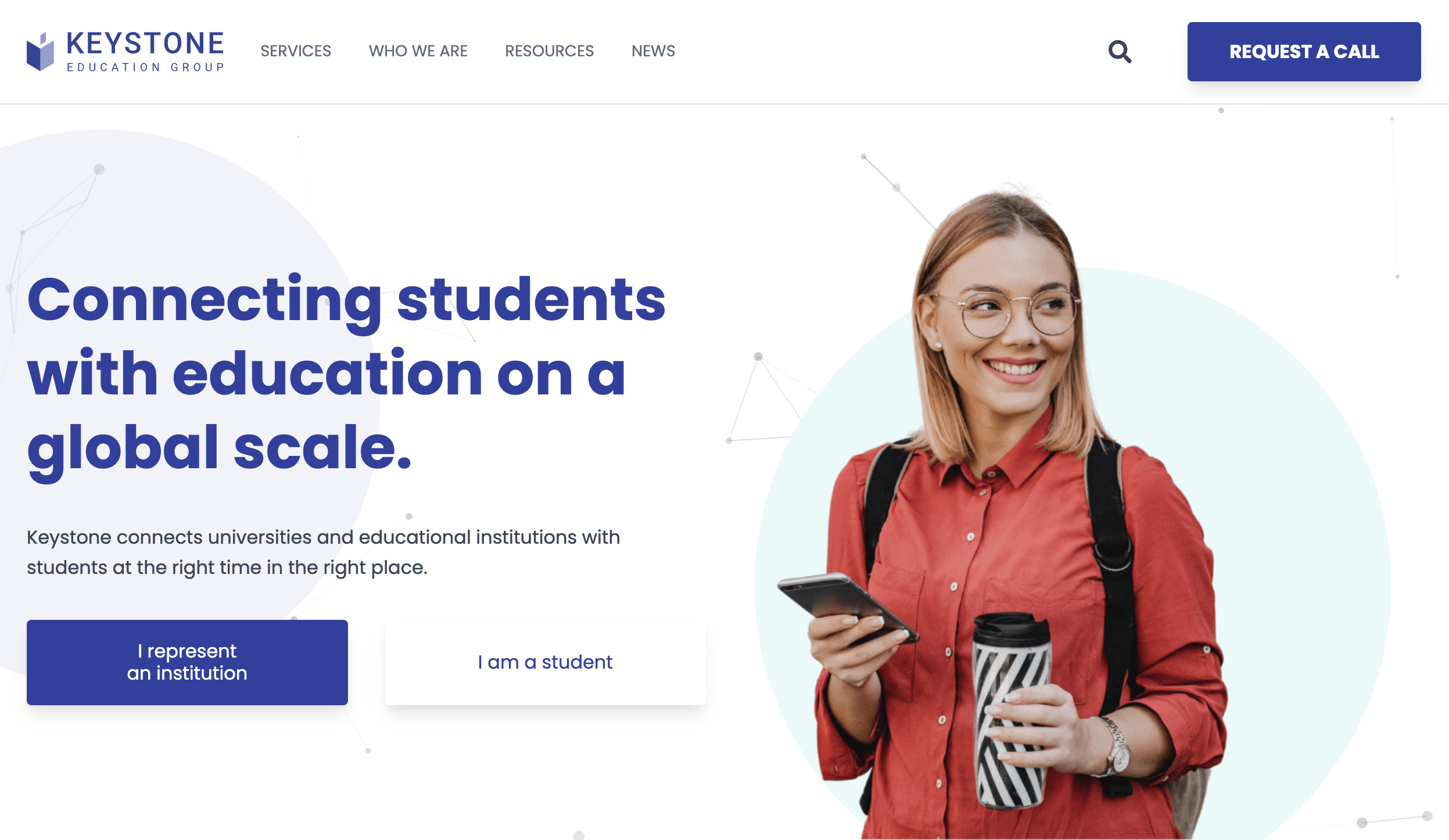
Keystone Education Group
An education consulting firm assisting students with their study abroad plans. They provide guidance and support throughout the application process, including test preparation, essay editing, and visa assistance.
What should you look for in a recruitment agency partner?
When selecting an agency partner, it's crucial to conduct due diligence to protect your institution's brand and ensure you are recruiting qualified students.
Reputation and track record: Do they have a proven history of success? Can they provide references from similar institutions?
Geographic reach and specialization: Do they have a strong presence in your target countries? Do they understand the specific nuances of that region's education system?
Alignment of values: Do they operate ethically and transparently? Ensure their practices align with your institution's values and admission standards.
Service and support: What level of service do they provide? Will they simply send you leads, or will they assist students with the application and visa process?
Strategy 5: Offer Scholarships
How do scholarships help recruit international students?
Scholarships help recruit international students by acting as a highly effective financial incentive that makes an institution more appealing and accessible. In a competitive global market, a strong scholarship program can be the single deciding factor that sways a top-tier student to choose your institution over a competitor.
What types of scholarships can institutions offer?
Institutions can offer a variety of scholarships to appeal to a diverse pool of students, rather than a single, one-size-fits-all award.
Merit-based scholarships: These are the most common, awarded for strong academic achievements.
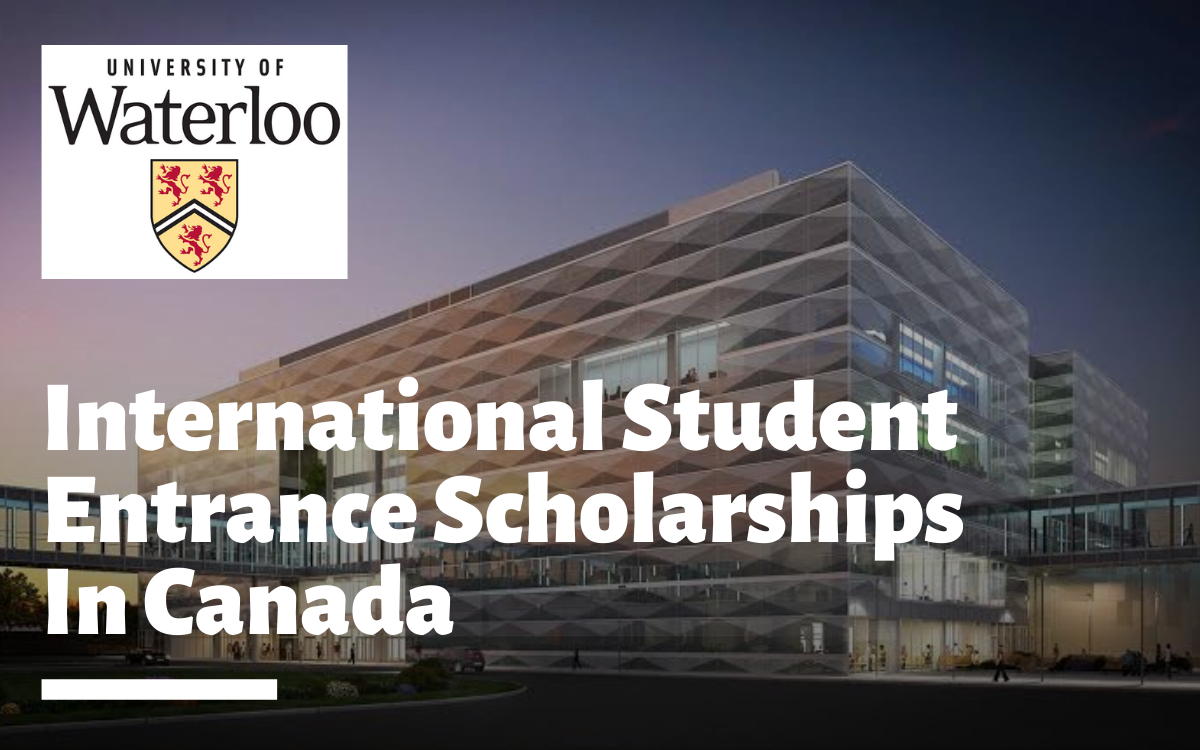
For example, the University of British Columbia offers the International Major Entrance Scholarship (IMES) and Outstanding International Student Award for the 2025/26 academic year, with awards valued at $10,000‑$20,000 per year for international entrants.
Faculty-specific scholarships: These target students entering a specific program or field of study (e.g., Women in STEM, Engineering Excellence).
Country-specific awards: These are targeted awards for students from specific regions you have identified as key target markets.
Needs-based aid: Grants or bursaries offered to students who demonstrate financial need.
Be sure to promote your scholarships heavily on social media, your website, and through your agent network to ensure potential students are aware of the available funding.
Strategy 6: Develop Specialized Programs
What specialized programs attract international students?
Specialized programs that attract international students are those tailored to their unique academic and professional needs. Offering these targeted academic tracks and support systems demonstrates your institution's commitment to international student success and creates an environment where they can thrive.
Why are English language programs a key recruitment tool?
English-language programs (or French-language programs) are a key recruitment tool because they provide a pathway for academically qualified students who may not yet meet the language proficiency requirements for direct admission. These programs, which can include intensive courses or tutoring, not only aid students academically but also foster a sense of community and help them acclimate before starting their degree.
How do internships and co-ops impact international recruitment?
Internships and co-ops are a major factor in attracting international students because they provide a direct link to post-graduation career opportunities. For many students, the primary motivation for studying abroad is to gain work experience. Programs that offer this are highly desirable, especially in Canada, where work experience can be crucial for qualifying for the Post-Graduation Work Permit (PGWP).
What is the value of cultural immersion programs?
The value of cultural immersion programs is that they show a commitment to the entire student experience, not just academics. These programs can involve organizing cultural events, workshops, or excursions that help students learn about their new surroundings, connect with peers, and build a support network, which is a key concern for students (and their parents).
Strategy 7: Leverage Alumni Networks
How can universities leverage alumni networks for recruitment?
Universities can leverage alumni networks by engaging graduates as powerful, authentic brand ambassadors who can promote the institution in their home countries.
Act as brand ambassadors: Your alumni can share their positive experiences at recruitment fairs or in virtual information sessions, adding a layer of credibility that no marketing brochure can match.
Provide testimonials: Showcase the success stories of your international alums on your website and social media. This demonstrates the tangible value of your curriculum in the global market.
Strengthen global reputation: A strong, active alumni network creates a sense of pride and community, motivating graduates to participate in recruitment efforts.
For example, the University of Edinburgh features a YouTube video titled “Conversations on Campus: The International Student Experience,” where current learners share authentic stories of their backgrounds and integration at the university. York University’s School of Continuing Studies features an international student's video testimonial about her background and the campus's cultural diversity on its YouTube channel.
Strategy 8: Enhance Your Website
Why is a university’s website critical for international recruitment?
A university's website is critical because it is your institution's primary, 24/7 recruitment tool. For many prospective international students, it will be their first and most in-depth interaction with your brand, making it essential to provide a user-friendly, accessible, and informative experience.
According to a 2024 report, international students accounted for 18.1% of full‑time university enrollments in Canada, highlighting the need for global‑ready digital assets.
What makes a university website effective for international students?
An effective university website for international students is one that anticipates and answers their unique questions with minimal friction. Key features include:
Mobile-friendliness: Many international students use their smartphones as their primary device for research. Your website's design must be responsive, adapt to different screen sizes, and load quickly on mobile networks.
User-friendly navigation: Organize your content logically. Create a clear "International Students" section with concise menus, headings, and a search function to help users find information quickly.
Detailed, accessible information: Do not bury essential details. Include clear, upfront information on:
Application requirements and deadlines (for their specific country).
Program overviews and faculty profiles.
Tuition fees (clearly stated in different currencies, or with a converter).
Scholarship opportunities.
Support services, such as language programs, cultural orientation, and academic assistance.
Information about the PGWP and career outcomes.
Strategy 9: Create Virtual Tours
How do virtual tours help with international recruitment?
Virtual tours help with international recruitment by providing an engaging, accessible way for students who cannot visit in person to get a tangible glimpse of student life. This allows them to overcome uncertainty and envision themselves on your campus, fostering a sense of belonging.
What should an effective virtual tour include?
An effective virtual tour should go beyond just showing empty buildings. It should be a dynamic showcase of your community.
Campus facilities: Feature key areas such as lecture halls, libraries, sports centres, and residence halls.
Academic spaces: Highlight state-of-the-art labs, art studios, or unique learning environments.
Student life: Incorporate elements that reflect your campus culture, such as interviews with current international students, footage of clubs and organizations, and highlights of campus events.
You can use dedicated virtual reality software like YouVisit, or create a high-quality, host-led video to showcase your institution. For example, the University of the Pacific offers a guided campus walkthrough on YouTube that helps international prospects visualise student life and campus culture. Cambridge University does the same in its "Welcome to Cambridge!" video on its YouTube channel.
Strategy 10: Offer Pre-Departure Support
What is pre-departure support, and why is it important?
Pre-departure support is a crucial strategy that involves providing comprehensive assistance to students before they arrive, demonstrating a commitment to their well-being and success. This support eases the significant anxiety associated with moving to a new country and makes your institution more appealing, as it shows you are a partner in their journey.
Why is proactive visa guidance a critical support service?
Proactive visa guidance is a critical service because the student visa application process is often the single most complex and stressful hurdle for an international student. Providing detailed information on your website, hosting webinars with immigration specialists, or offering one-on-one consultations with knowledgeable staff can dramatically improve a student's experience and increase the likelihood they will successfully enroll.
What is the strategic impact of airport pick-up and orientation sessions?
The strategic impact of these services is that they create a welcoming and inclusive environment from day one.
Airport pick-up services: This simple logistical service alleviates the immense stress of arriving in a new country alone and demonstrates that your institution cares about its students' well-being.
Orientation sessions: These sessions are vital for covering academic expectations, cultural adjustment, and available support services. They foster an immediate sense of community and connection.
Strategy 11: Collaborate with Other Institutions
How can collaboration with other institutions boost recruitment?
Collaboration with other institutions can boost recruitment by allowing universities to pool resources and expertise for joint marketing initiatives, thereby attracting a larger audience and increasing the visibility of your region as a desirable study destination.
You can collaborate in several ways:
Co-host education fairs: Share the cost of a booth and staff at a large international recruitment fair.
Joint promotional materials: Create a "Study in [Your City/Region]" guide or website that features all partner institutions.
Develop joint educational pathways: Create articulation agreements (e.g., 2+2 programs) or shared support services to showcase your region's collective strengths and help potential students see the value of studying in your area.
Final Thoughts on International Student Recruitment
Recruiting international students is essential for enhancing your institution's academic community and global reputation. By implementing these 11 valuable strategies, you can create a more targeted and effective approach to attracting talented students from around the world. As the recruitment landscape becomes more competitive, a strategic, supportive, and authentic marketing plan is a non-negotiable for success.
Finally, like international students, adults are a growing demographic in higher education. Check out our blog post 9 proven strategies to attract adult students to learn more.
Boost Your International Student Enrollment
Implementing new digital marketing strategies requires careful planning and flawless execution. We offer customized, full-service higher education marketing services that will fill your pipeline with quality prospects and applications. Book a free, no-obligation consultation with our education marketing experts today.
Don’t miss our other posts on higher education digital marketing.
What Are 9 Proven Strategies for Marketing Higher Education to Adults?
What Makes Student Testimonials Crucial for University Recruitment Marketing?
How Can Universities Use Video Content to Boost Student Recruitment?
What Are 5 Effective Marketing Strategies for Recruiting Undergraduate Students?
How Can Universities Use AI for Marketing?
What Are the 7 Key Challenges in Higher Education Digital Marketing and How Can They Be Solved?
Key International Student Recruitment Terms
Alumni Network: The community of former students who have graduated from an institution. Strong alumni networks provide valuable connections, and their testimonials offer proof of long-term career success.
Brand Ambassadors: Individuals, such as alumni or current students, who formally or informally promote an institution's brand and share their positive experiences within their communities.
International Student Recruitment: The process of attracting and enrolling students from outside the institution's home country, which requires specialized marketing and support strategies.
Post-Graduation Work Permit (PGWP): A permit that allows eligible international students in Canada to stay and work in the country for up to three years after they graduate. A program's eligibility for a PGWP is a significant factor in decision-making.
Social Proof: Evidence from peers or credible sources (like current students, alumni, or faculty) that validates a decision or belief. Testimonials are a primary form of social proof.